Flashing Nudes Roof Installation And Materials
Enter Now flashing nudes deluxe digital broadcasting. Subscription-free on our visual library. Delve into in a immense catalog of documentaries demonstrated in premium quality, flawless for superior streaming enthusiasts. With hot new media, you’ll always receive updates. Locate flashing nudes curated streaming in photorealistic detail for a genuinely gripping time. Sign up today with our online theater today to peruse one-of-a-kind elite content with no charges involved, no recurring fees. Appreciate periodic new media and browse a massive selection of bespoke user media crafted for premium media enthusiasts. This is your chance to watch never-before-seen footage—click for instant download! Enjoy the finest of flashing nudes uncommon filmmaker media with lifelike detail and featured choices.
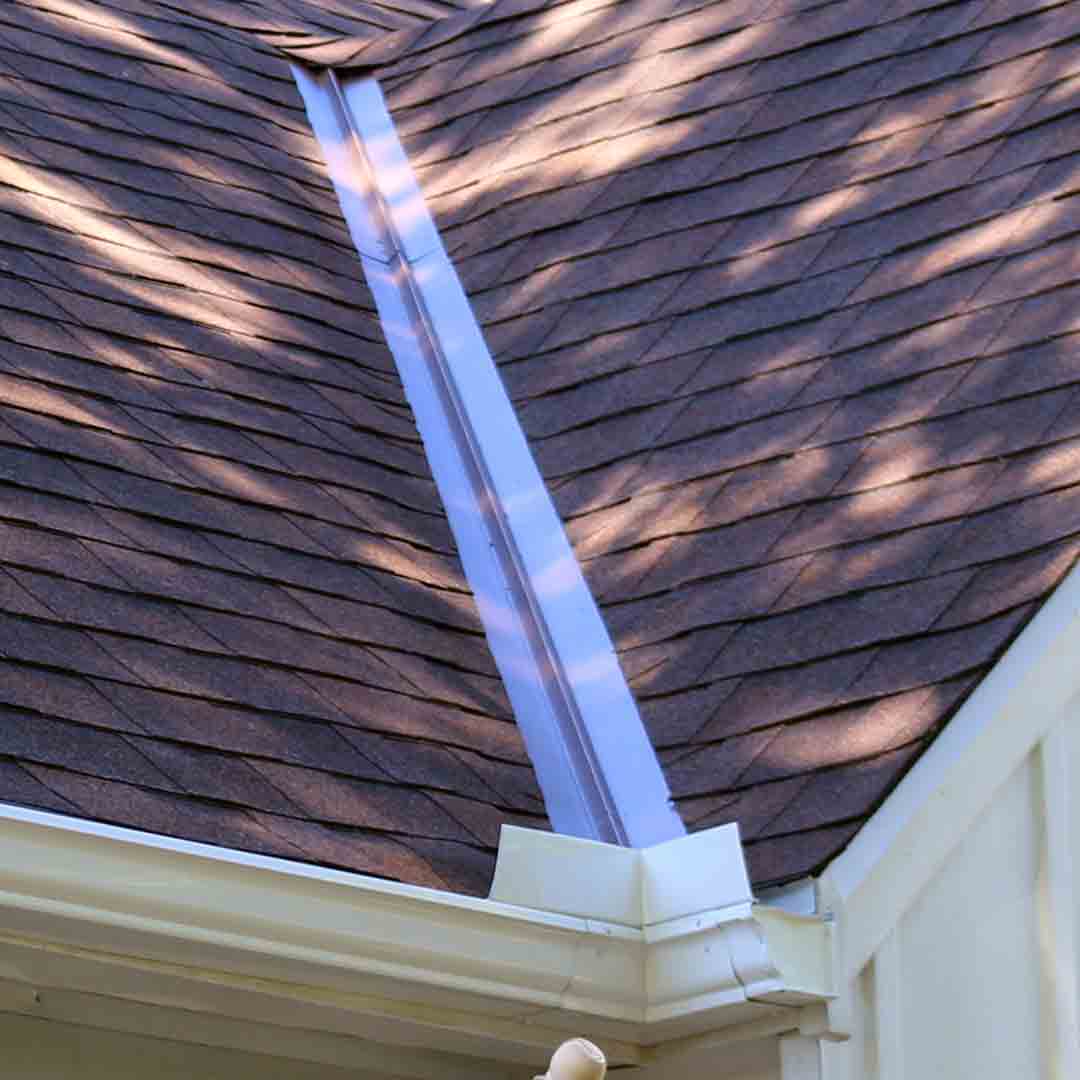
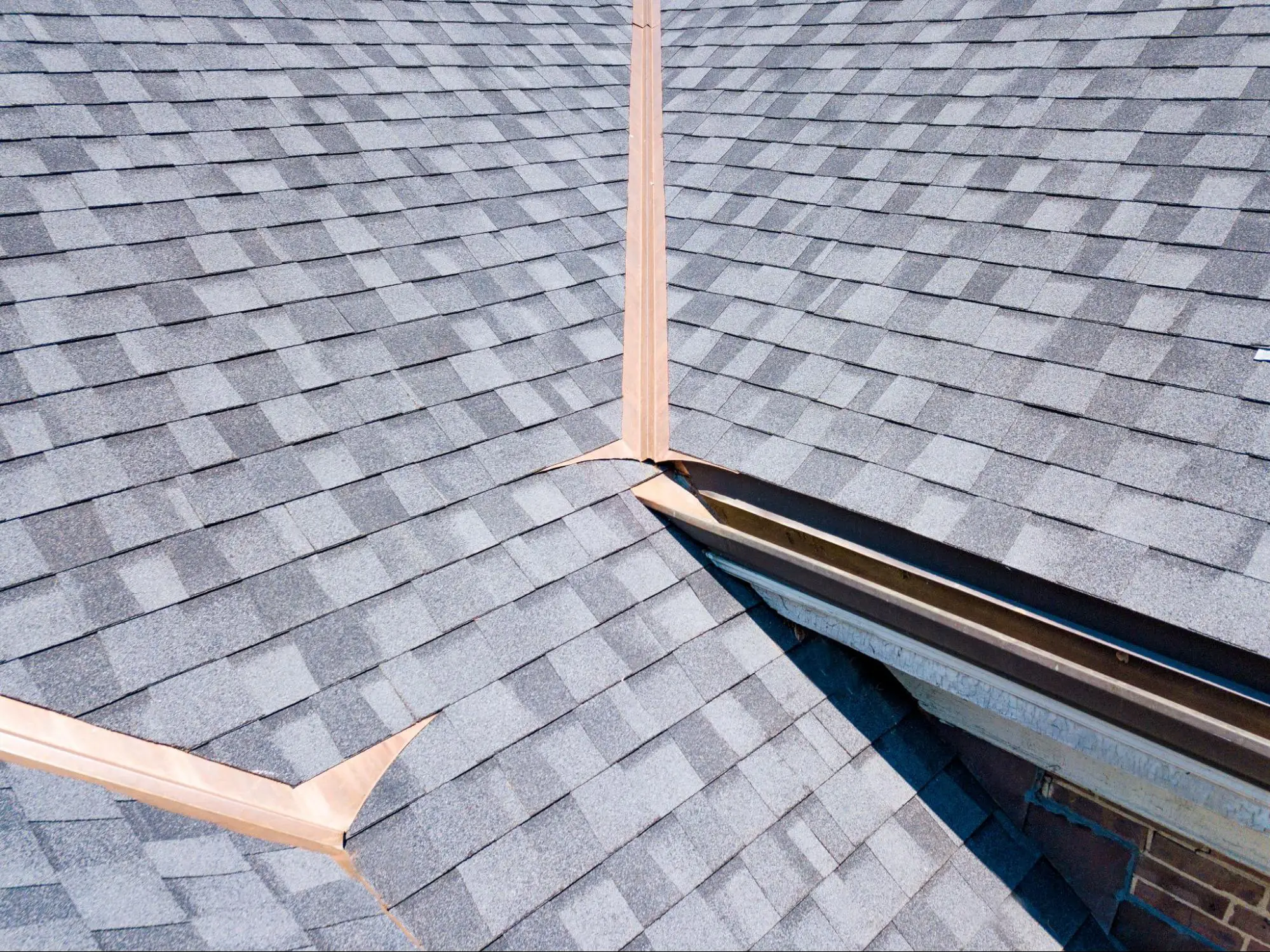
Get free shipping on qualified roof flashing products or buy online pick up in store today in the building materials department. In this article, we’ll cover the different types of roof flashing, how to tell when it needs to be replaced, how it’s installed, and more. This flashing is available in different colors — brown, white and black flashing — to allow it to complement your home exterior
Roof Installation and Materials
Whatever types of roof flashings you need, you’ll find them at lowe’s, along with knowledgeable associates to help you get the right product for your project. Spotting signs of faulty flashing can save time and money if addressed early. Flashing is thin pieces of impervious material installed to prevent the passage of water into a structure from a joint or as part of a weather resistant barrier system.
Flashing closes the joints between the roof and the roof features in order to protect the house from erosion and leaking
A lack of flashing or poor flashing installation can also lead to wood rot, potential shingle damage, or deck collapse, among other issues. Roof flashing is a thin material, usually made from galvanized steel, aluminum, or copper, that professional roofers install around key areas of a roof Its main job is to direct water away from spots where different parts of the roof meet, like chimneys, vents, and skylights. Flashing creates a watertight seal around roof penetrations and transitions, preventing leaks and protecting the underlying structure
Installing it incorrectly allows water to seep under your shingles and cause serious problems such as water damage, mold, and weakened structural integrity. There are two general types of flashing used in masonry construction The first is external flashing (exposed flashing), and the second is internal flashing (concealed flashing) External or exposed flashings prevent moisture from penetrating into masonry walls where the wall intersects the roof.
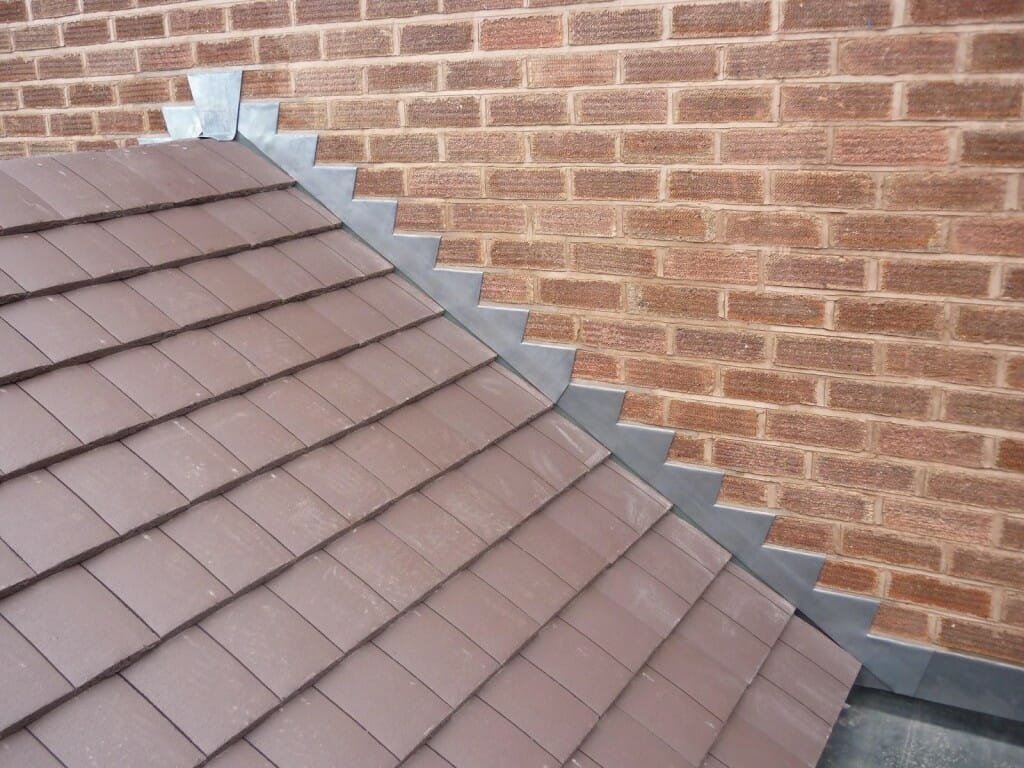
When installed correctly, flashing helps protect your roof, walls, and foundation by keeping water out of the places it’s not supposed to be
Let’s break down what flashing is, why it matters, and how to tell when there’s a problem. Roof flashing prevents leaks and maintains the integrity of your roof Various types of roof flashing serve different roof protection purposes Steel is the most popular flashing material, but other materials may be used