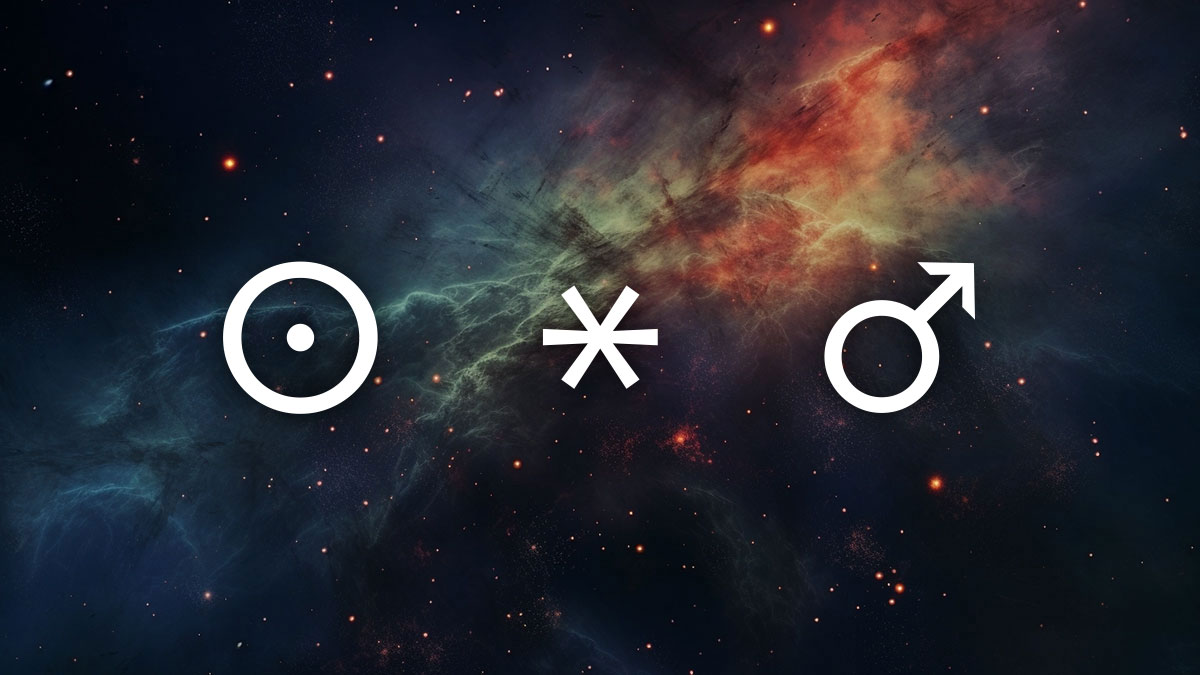
Sun Sextile Mars Transit Conjunct Synastry Natal Composite And Solar Return Meaning
Start Today sun sextile mars transit elite playback. No subscription costs on our video archive. Step into in a treasure trove of series presented in HD quality, the best choice for premium viewing mavens. With contemporary content, you’ll always get the latest. Explore sun sextile mars transit preferred streaming in impressive definition for a utterly absorbing encounter. Participate in our video library today to peruse solely available premium media with absolutely no charges, subscription not necessary. Benefit from continuous additions and navigate a world of uncommon filmmaker media tailored for prime media lovers. Take this opportunity to view singular films—rapidly download now! Indulge in the finest sun sextile mars transit rare creative works with true-to-life colors and chosen favorites.
It's consensus that the very similar apparent sizes of the moon and the sun as seen from earth is a coincidence (as already answered in this site) I am not sure how this compares to the distance loss due to the mass and energy radiation of the sun you mentioned. This provides us with almost exact total solar
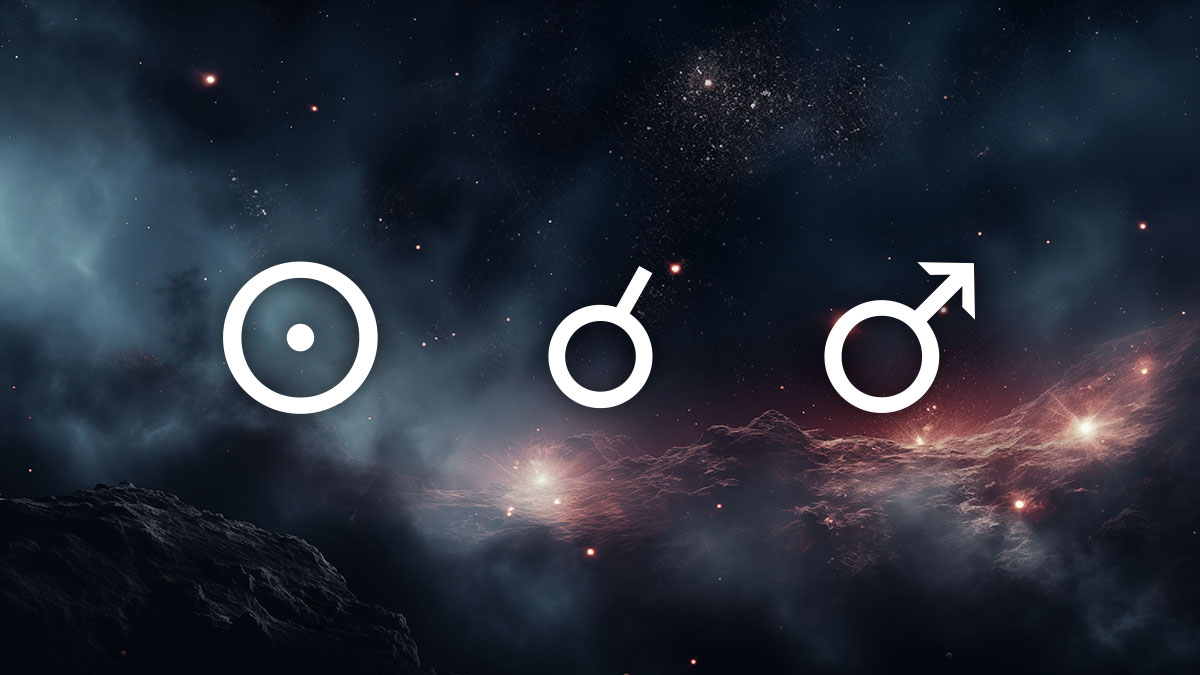
Sun Conjunct Mars: Synastry, Natal, Transit, Composite, and Solar Return Meaning
The sun's energy comes primarily from fusion of light elements in its core 1 watt is defined as 1 joule per second (j/s). How has the distance between sun and earth been calculated
Also what is the size of the sun?
If this is the case, then when we read things like what time sun sets and rises on websites, books, calendars, other official times, et al… does that mean when we see for example ‘sun set at 18:35’ is the time denoting the actual sun set taking into account of the mirage or what is visible to us. Assume you're talking to someone ignorant of the basic facts of astronomy How would you prove to them that earth orbits the sun Similarly, how would you prove to them that the moon orbits earth?
The sun was certainly much faster rotating in the past When it was 100 million years old it likely had a rotation period somewhere between 0.5 and 5 days (observed in solar analogues at that age). The sun's spectrum is very complex, and indeed there are a lot of lines—both light and dark (emission and absorption)—amidst a sea of what looks to be continuous frequencies. The sun outputs about 1300 watts per square meter (w/m²) in space near the earth, which gets reduced to around 650 w/m² in the middle of the day after going through the atmosphere